Cotton Wall Coat
Technology

Cotton wall Coat Technology, New TechNology wallpaper - The FashioN oF The FuTure heat insulation saves eNergy aNd MoNey souNd iNsulaTioN - goodBye Noise welcoMe sereNiTy Fire resisTaNT MaTerial is viTal! iNsecT Free - are you Tired oF seeiNg iNsecTs?

Cotton Wall Coat New
Technology

Cotton Wall Coat
is 100% Natural
Product

Cotton Wall Coat New Technology Wallpaper

What is new technology wallpaper?

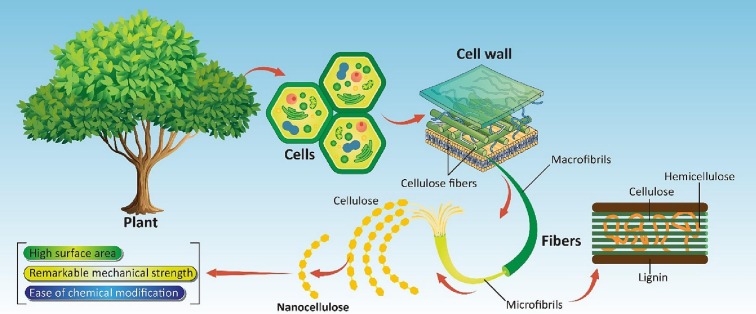
Cotton wall Coat a is a 100% natural product, based on pure cotton and Belka mineral stones. Cotton fibers are made up of herbal cells. Although they differ in shape, they have similar features. The plant cells are covered by a protective cellulose shell. Raw cotton also contains the same substances as a plant, other than cellulose. However, nearly 90% of cotton, consists of cellulose.
Each cotton fiber is made up of plant cells. Although they differ in shape, they have the same properties. The plant cells have a protective shell made of cellulose. Raw cotton also contains substances other than cellulose that a plant contains. However, almost all of its structure consists of cellulose. The cellulose content in cotton is around 90%.
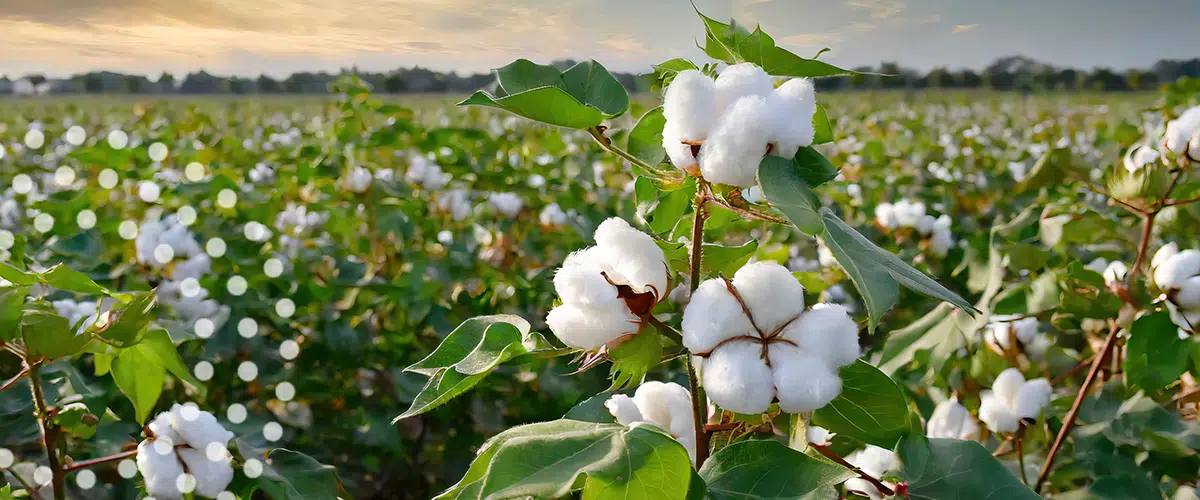
Main Features Of The Cotton

Cotton’s cellulose structure provides thermal insulation. Cellulose prevents heat loss in its environment and ensures high energy efficiency. Therefore, in the f&b, textile, and construction industries, experts frequently use cotton in production. In this section, you can find detailed information about the structure and properties of cellulose. Cellulose (C6H10O5)n, is a substance that makes up most of the plant cell structure. It is in the carbohydrate class. When cellulose is getting thinner, it contains nearly 44 % carbon, 49 % oxygen, and 6 % hydrogen. It was found to contain. The chemical signature is C6H10O5. O: Oxygen H: Hydrogen HO: Hydrogen and Oxygen OH: Hydroxide

What is cellulose?

There is both hemicellulose and lignin inside the plant cell. But its crystal structure differs cellulose’s arrangement from other substances. 

Cellulose helps plants to remain stiff, upright, and durable. 

Herbivorous animals secrete cellulose enzymes thanks to the bacteria in their intestines. Animals cannot use cellulose as an energizer. 

Cellulose is the molecule usually preferred in production of Artificial silk, paper,  ceramics, and paint.

Cellulose is insoluble in water and does not react with iodine. When mixed with dilute sodium hydroxide, there is mercerized cotton(cotton that has been treated with a caustic soda solution to improve its properties).

Where does cellulose exist in nature?

Cellulose exists within the structure of plants. Its composition depends on the plants:

  •  90% in cotton
  •  50% in wood
  •  30% in straw

What kind of a substance is cellulose?

Structure of Cellulose:
95% efficient D-glucose occurs after hydrolyzing cellulose.

Where are the areas of cellulose’s use?

We use cellulose in many industries. The most commons are the paper, textile, and food industries:

Cellulose Is The New Technology of Insulation

Benefits of Cellulose For The Insulation

Cellulose is a beneficial substance for human life. Today, cellulose has become widespread in many sectors, especially in the food sector. The human body cannot digest vegetable cellulose. However, cellulose can reduce the effect of vascular disorders, problems in the spinal cord, and diseases in the large intestine.
In other sectors, its consumption is possible without being taken into the body. Therefore, people use it in other sectors too. Unlike chemical-containing products, it benefits people because it comes from a natural structure.
Excessive consumption of many foods is harmful to the human body. For this reason, we should avoid overconsumption of this product.

Protect The Earth With Cellulose

The cotton contains about 90% of cellulose. We produce Belka wallpaper from 100% pure cotton. For this reason, it includes a large amount of cellulose. The properties of the cellulose-based insulation material Belka are as follows: